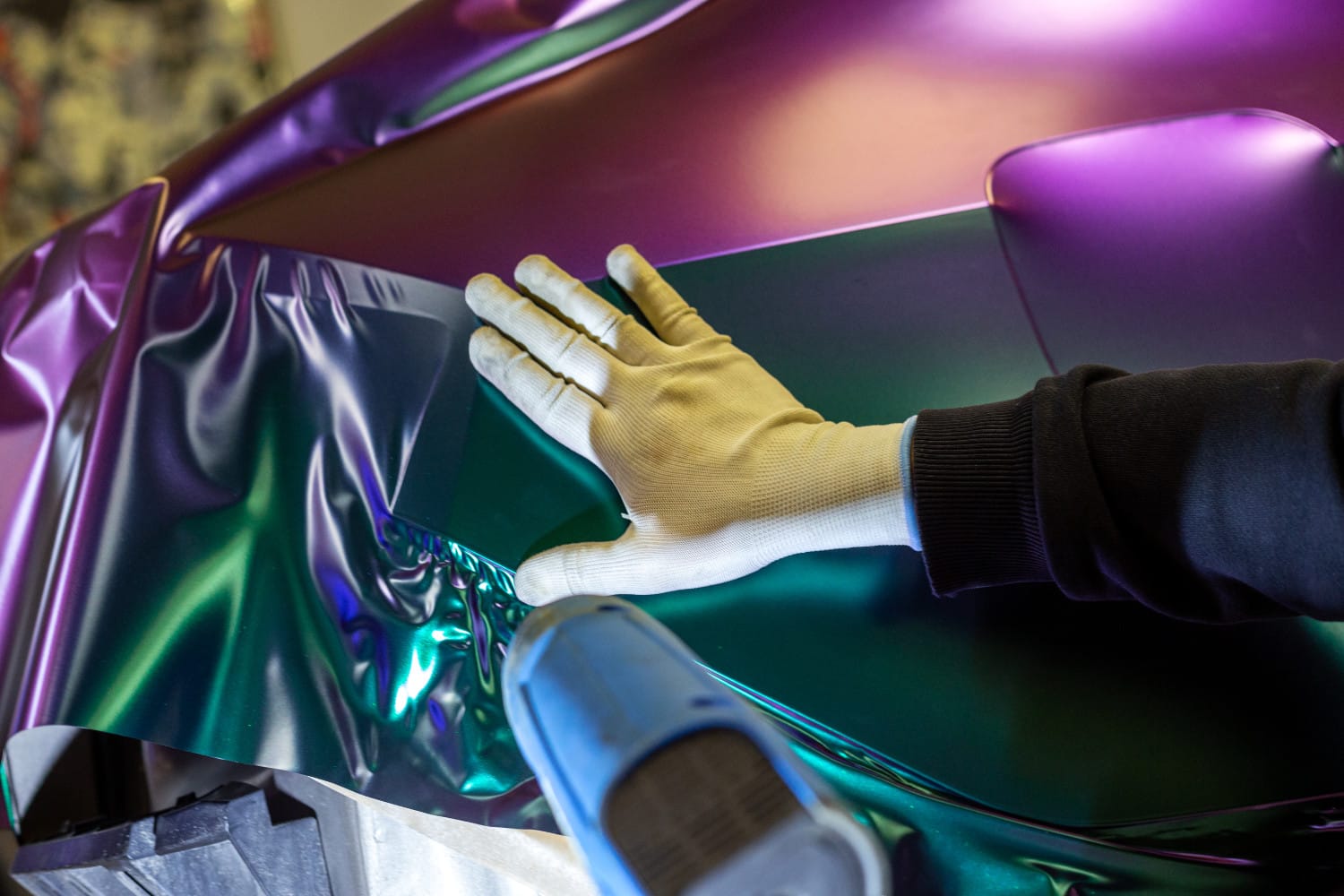
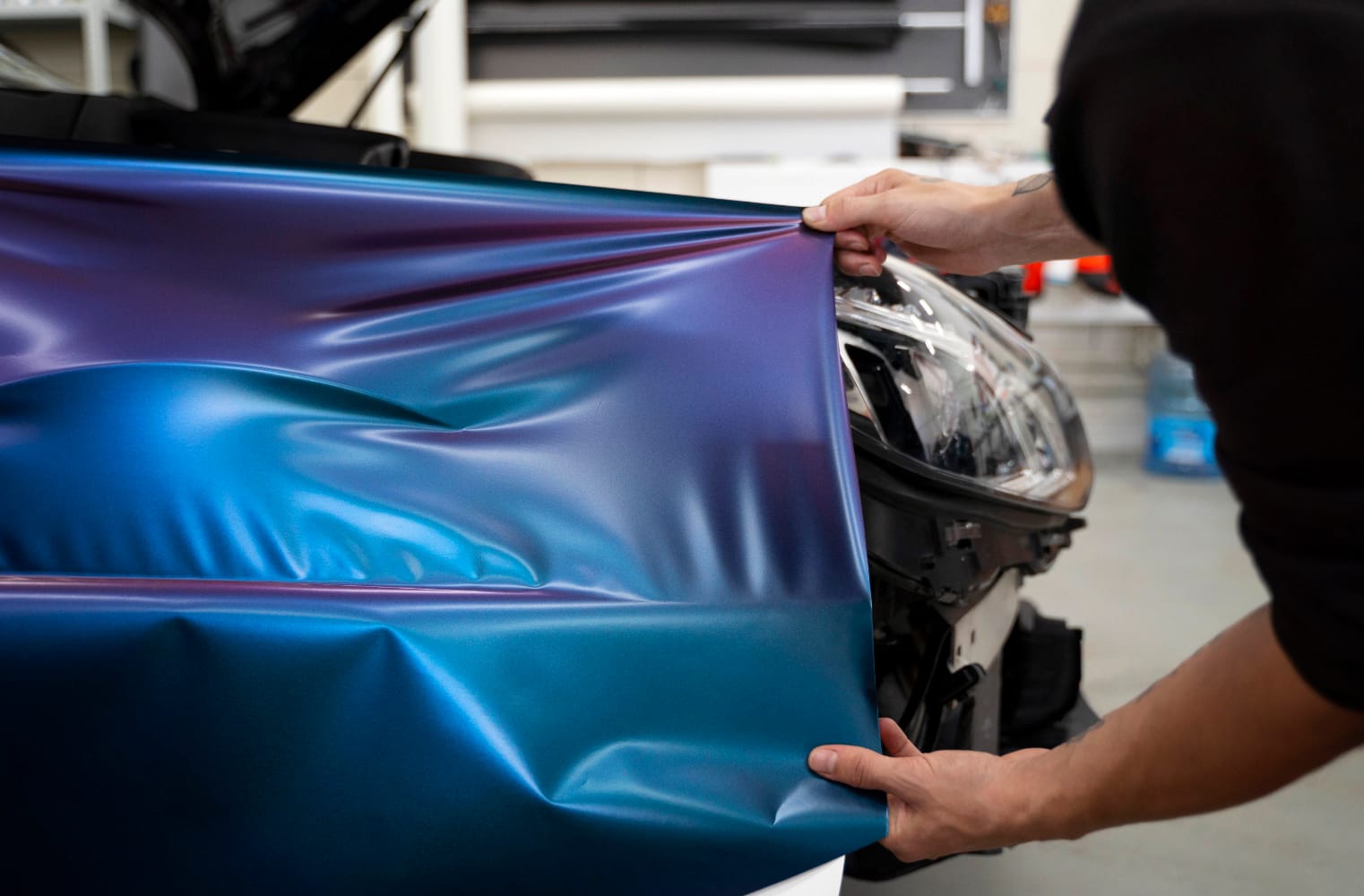
Protecting your car properly is not always about choosing between Paint Protection Film and graphene coating.
PPF and graphene coating do different jobs. Paint Protection Film provides a physical barrier against stone chips, road debris, scratches and everyday road wear. Graphene coating helps protect the surface from environmental contamination while adding gloss, water repellency and easier maintenance.
When used together, they create a more complete car paint protection package.
For Sydney drivers, a popular setup is to apply PPF to the areas most exposed to stone chips and road damage, then apply graphene coating across the vehicle, including over compatible PPF.
This gives you stronger physical protection where your car needs it most, while making the entire exterior easier to clean and maintain.
What is Paint Protection Film?
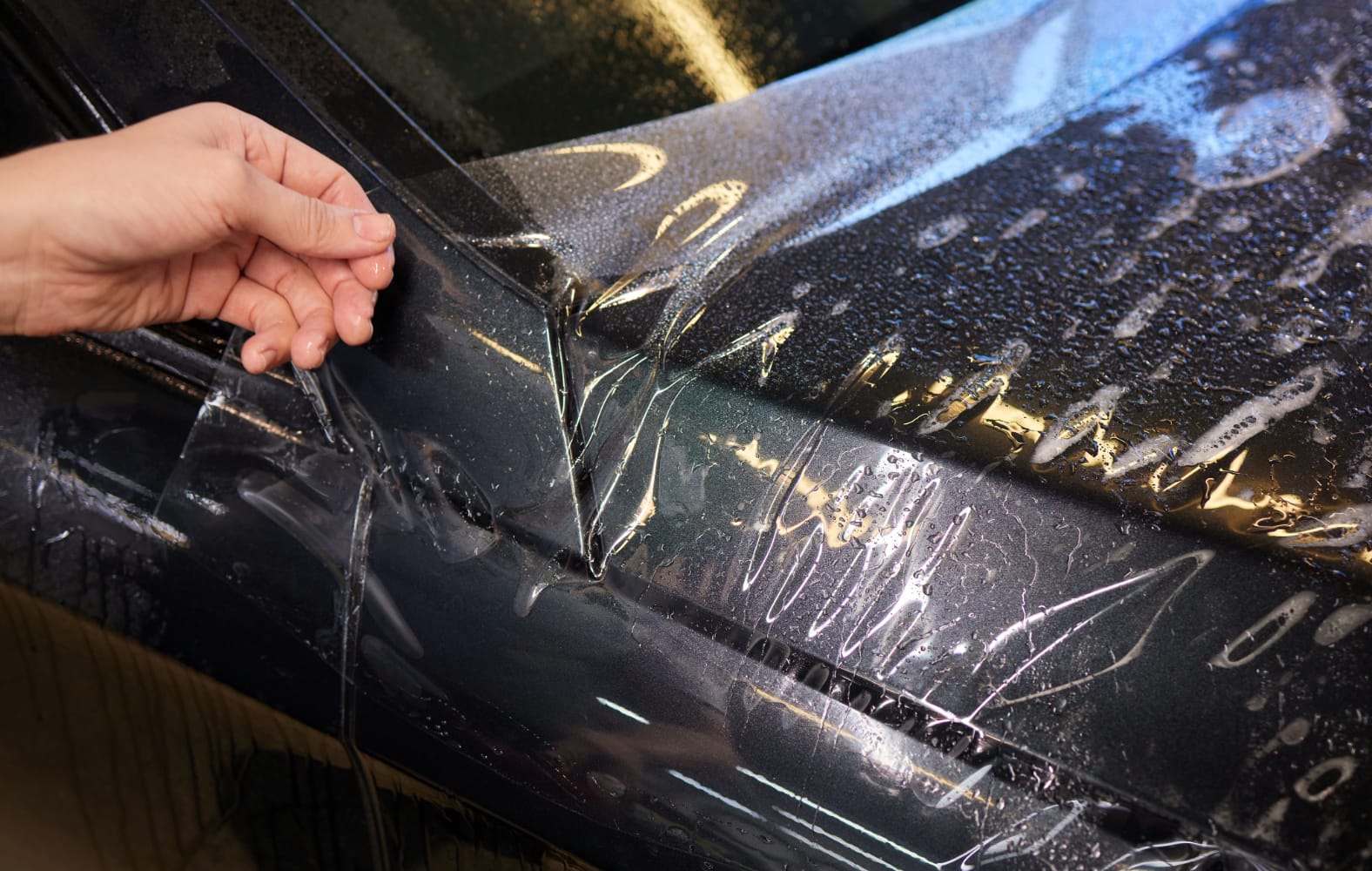
Paint Protection Film, commonly called PPF, is a clear urethane film applied over your vehicle’s paint.
Its main purpose is to protect the paint from physical damage.
PPF is much thicker than a liquid coating and is designed to help absorb impacts that would otherwise reach the paint underneath.
Quality PPF can help protect against:
- Stone chips
- Road debris
- Light scratches
- Minor scuffs
- Bug splatter
- Bird droppings
- Washing-related marks
- Everyday driving wear
Many premium PPF products also have self-healing properties, allowing light marks in the film to reduce when exposed to heat.
PPF can be applied to selected high-impact areas or across the entire vehicle.
Common areas include:
- Front bumper
- Bonnet
- Front guards
- Side mirrors
- Headlights
- Rocker panels
- Door edges
- Door cups
For Sydney drivers who regularly use motorways and major roads, protecting the front of the vehicle can be particularly useful because these areas receive much of the impact from loose stones and road debris.
What is graphene coating?
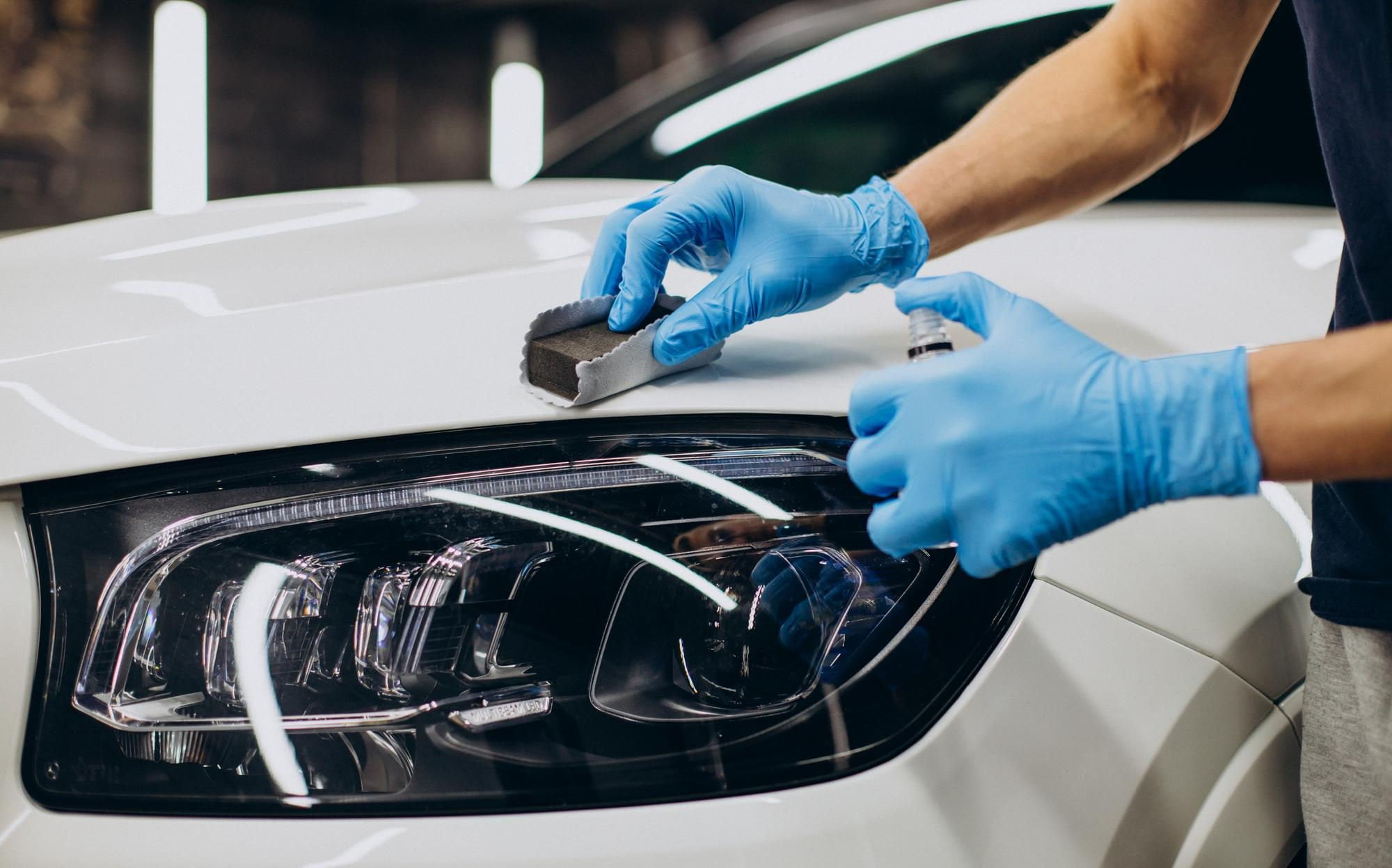
Graphene coating is a liquid protection product applied to automotive surfaces.
Once applied to properly prepared paint or compatible PPF, it forms a protective surface that can improve gloss, water repellency and ease of maintenance.
Depending on the coating used, benefits can include:
- Enhanced gloss
- Hydrophobic properties
- Easier washing
- Reduced dirt and grime adhesion
- UV resistance
- Protection from environmental contamination
- Easier removal of bird droppings and bug residue
Graphene coating should not be confused with Paint Protection Film.
It does not have the thickness required to provide the same level of protection against stone chips or physical impacts.
That is why PPF and graphene coating can complement each other so well.
PPF vs graphene coating: what is the difference?
The easiest way to understand the difference is to look at what each product is designed to do.
| Feature | PPF | Graphene coating |
|---|---|---|
| Main purpose | Physical paint protection | Surface protection and maintenance |
| Stone chip protection | Strong | Very limited |
| Road debris protection | Strong | Very limited |
| Light scratch protection | Stronger | Limited |
| Water repellency | Depends on film | Strong |
| Gloss enhancement | Depends on film | Yes |
| Easier cleaning | Yes | Yes |
| Physical thickness | Much thicker | Very thin |
| Self-healing | Available on many premium films | Product dependent |
| Full vehicle application | Yes | Yes |
| Can be used together | Yes | Yes |
PPF provides the physical barrier.
Graphene coating improves the surface.
Using both means you are not relying on one product to handle every type of exposure your vehicle faces.
Why do PPF and graphene coating work better together?
Your car is exposed to several different types of damage every time you drive.
The front bumper and bonnet may be hit by small stones and road debris. The paint is also exposed to UV, rain, dust, road grime, insects, bird droppings and contaminants.
One protection product cannot address all of these problems equally well.
PPF is designed for physical protection.
Graphene coating is better suited to surface protection and maintenance.
Combining the two gives your vehicle protection against a wider range of everyday risks.
For example, PPF can protect the bonnet from stone chips while graphene coating helps make the film easier to clean when bugs, dirt and road grime collect on it.
At the same time, graphene coating can protect the exposed paint on parts of the vehicle that do not have PPF.
This is particularly useful when you choose partial or full front PPF instead of covering the entire car.
Should PPF or graphene coating be applied first?
PPF should generally be installed before graphene coating.
A typical process includes:
- Inspecting the vehicle
- Washing and decontaminating the paint
- Completing paint correction if required
- Preparing the surface
- Installing the PPF
- Allowing the film to settle as required
- Preparing the PPF and remaining paint
- Applying a compatible graphene coating
The order is important because Paint Protection Film needs to bond properly with the prepared surface.
Applying a coating underneath the PPF may affect film adhesion depending on the products used.
If you plan to get both PPF and graphene coating, it is best to arrange them as one protection package so the preparation and installation can be completed in the correct sequence.
Can graphene coating be applied over PPF?
Yes, a compatible graphene coating can generally be applied over Paint Protection Film.
This is one of the main reasons the combination works so well.
Adding a suitable coating over PPF can help:
- Increase water repellency
- Reduce dirt adhesion
- Make washing easier
- Improve surface slickness
- Enhance gloss on gloss PPF
- Make bug splatter and road grime easier to remove
- Create more consistent surface behaviour across PPF and exposed paint
Compatibility matters.
The coating should be suitable for the specific PPF installed on the vehicle, particularly when working with matte or satin films.
Does graphene coating make PPF stronger?
Graphene coating does not significantly increase the physical impact protection provided by PPF.
The PPF itself is doing most of the work when a stone or piece of road debris hits the vehicle.
The coating sits on top of the film and helps with surface protection, maintenance and water repellency.
Think of the layers as having separate jobs.
The PPF protects against physical impact.
The graphene coating helps protect and maintain the surface of the PPF.
Do you still need graphene coating if you have PPF?
Not necessarily, but it can be a useful addition.
Many modern PPF products already include hydrophobic top coats and can perform very well without an additional coating.
A graphene coating becomes particularly useful when you want easier maintenance or when only part of the vehicle is protected with PPF.
Consider a vehicle with full front PPF.
The front bumper, bonnet, guards and mirrors have film protection, but the doors, roof, rear guards, boot and rear bumper remain exposed paint.
Applying graphene coating across the entire exterior gives both the PPF and exposed paint a more consistent surface for cleaning and maintenance.
Full front PPF + graphene coating
For many Sydney drivers, full front PPF combined with graphene coating is one of the most practical protection packages.
The front of a vehicle generally receives the greatest exposure to stone chips and road debris.
A full front PPF package may cover:
- Front bumper
- Full bonnet
- Front guards
- Side mirrors
- Headlights
Graphene coating can then be applied across the vehicle, including the compatible PPF and remaining painted surfaces.
This means the areas that receive the most physical impact have PPF, while the rest of the exterior still receives coating protection.
It can be a sensible option for someone who wants strong protection without the cost of applying PPF to every panel.
Full-body PPF + graphene coating
For drivers who want more complete exterior protection, full-body PPF can also be combined with graphene coating.
With this option, PPF covers most painted exterior panels.
A compatible graphene coating can then be applied over the film.
This setup may suit:
- Brand-new vehicles
- Luxury cars
- Performance cars
- Exotic vehicles
- Cars with expensive or difficult-to-match paint
- Vehicles driven frequently on motorways
- Owners planning to keep their vehicle for several years
- Drivers who want extensive protection against everyday paint damage
Full-body PPF provides considerably more physical coverage than a coating alone.
Adding graphene coating is then mainly about surface behaviour, appearance and maintenance.
Do you need full-body PPF?
Not every car needs full-body PPF.
The right level of coverage depends on the car, how it is driven and how much protection you want.
If most of your concern is front-end stone chips, full front PPF may be enough.
If your vehicle is frequently exposed to motorway driving, tight parking spaces, road debris or other situations where more panels are at risk, broader coverage may be worth considering.
For owners who want maximum film coverage, full-body PPF is the more complete option.
The best package is the one that protects the areas that matter to you without paying for coverage you do not need.
PPF + graphene coating for a new car
A new vehicle is one of the best times to consider paint protection.
Once stone chips, scratches and other marks appear in the paint, installing protection will not reverse them.
Applying PPF while the paint is still in good condition can help preserve the original finish before regular driving begins to take its toll.
Graphene coating can then help keep the exterior easier to wash and maintain.
A complete new car protection package could include:
- Full front or full-body PPF
- Graphene coating
- Window tinting
- Glass coating
- Wheel coating
- Interior protection
The right combination depends on the vehicle and how you plan to use it.
A daily-driven SUV may need different protection from a weekend performance car.
Can PPF and graphene coating be applied to an older car?
Yes.
The condition of the paint simply becomes more important.
PPF is transparent and graphene coating does not remove existing paint defects.
If the vehicle already has:
- Swirl marks
- Scratches
- Water spots
- Oxidation
- Heavy contamination
- Previous paint repairs
additional preparation or paint correction may be recommended before protection is applied.
Preparing the paint first gives the PPF and coating a cleaner surface and can improve the final appearance.
Does PPF + graphene coating make your car scratch-proof?
No.
There is no realistic paint protection product that makes a vehicle completely scratch-proof.
PPF can provide strong protection against many light scratches, scuffs and everyday impacts, but enough force can still damage the film or the paint underneath.
Graphene coating can help reduce contamination and make maintenance easier, but it should not be treated as a substitute for physical protection.
Good washing practices still matter.
Avoid:
- Automatic brush car washes
- Abrasive sponges or towels
- Harsh cleaning chemicals
- Scrubbing dried contaminants
- Washing with dirty mitts
- Leaving bird droppings or bug residue untreated for long periods
The better you maintain the vehicle, the better your protection products can perform over time.
Does graphene coating make PPF easier to clean?
This is one of the biggest practical benefits of adding a coating over PPF.
A quality compatible coating creates a more hydrophobic surface, helping water bead and move away more easily.
Dirt and road grime can also be less likely to stick strongly to the surface.
This can make routine washing easier, particularly when removing:
- Road grime
- Dust
- Mud
- Bug splatter
- Bird droppings
- Rain residue
The car still needs to be washed, but maintaining it can become easier.
Does graphene coating improve the look of PPF?
It can.
On gloss PPF, a compatible graphene coating can add surface slickness and enhance the glossy appearance.
Results will vary depending on the film, coating, vehicle colour, paint condition and preparation.
Matte and satin PPF require more care.
Only products suitable for those finishes should be applied because the wrong coating may alter the appearance of the film.
PPF + graphene coating vs graphene coating alone
Graphene coating alone may make sense if:
- Stone chip protection is not your main concern
- You want easier maintenance
- You want stronger water repellency
- You want to improve gloss
- Your car has relatively low exposure to road debris
- PPF is outside your current budget
PPF with graphene coating may make more sense if:
- You want protection against stone chips
- Your vehicle is new
- You regularly drive on Sydney motorways
- Maintaining the original paint matters to you
- You own a luxury or performance vehicle
- You want both physical protection and easier maintenance
- You plan to keep the vehicle for several years
The best choice comes down to what you want protection from.
PPF + graphene coating vs PPF alone
PPF alone already provides excellent physical protection.
If your main priority is stopping stone chips and road damage, prioritising the right amount of PPF coverage makes sense.
Adding graphene coating is more about improving maintenance, hydrophobic properties and surface appearance.
If you are deciding between more PPF coverage and adding a coating, consider which benefit matters more.
Someone who drives long distances on motorways may benefit more from additional PPF coverage.
Someone who already has enough film protection but wants easier washing may get more value from adding the coating.
How much does PPF + graphene coating cost?
The cost of combining PPF and graphene coating depends on the vehicle and the amount of protection required.
Several factors affect pricing.
Vehicle size
Larger vehicles require more material and usually more installation time.
PPF coverage
The cost changes significantly depending on whether you choose selected panels, full front PPF or full-body coverage.
Vehicle design
Complex bumpers, vents, spoilers, trims, sensors and body shapes may require additional installation work.
Paint condition
A vehicle with swirl marks, scratches or contamination may require additional preparation before PPF or coating can be installed.
Film and coating products
Different PPF films and coatings come with different specifications, finishes, maintenance requirements and warranties.
An accurate quote should be based on your specific vehicle, its condition and the level of coverage you want.
How to maintain PPF with graphene coating
Proper maintenance helps keep both the film and coating looking their best.
For routine care:
- Wash the vehicle regularly
- Use suitable automotive wash products
- Use clean microfibre wash mitts and drying towels
- Remove bird droppings promptly
- Remove bug splatter before it remains on the surface for extended periods
- Avoid abrasive cleaners
- Avoid automatic brush washes
- Follow the aftercare requirements for the PPF and coating used
Your installer should also advise when the vehicle can first be washed after installation.
Is PPF + graphene coating worth it?
For drivers who want both physical paint protection and easier maintenance, combining PPF with graphene coating can make a lot of sense.
PPF protects the vehicle from the type of damage a liquid coating cannot handle well, particularly stone chips and road debris.
Graphene coating adds another type of protection by improving the surface’s resistance to contamination while making it easier to wash and maintain.
You can also tailor the package to your budget.
For many daily-driven vehicles, full front PPF with graphene coating across the exterior offers a strong balance between coverage and cost.
For owners who want more comprehensive protection, full-body PPF with a compatible graphene coating provides a higher level of exterior coverage.
Neither option is automatically right for every vehicle.
The best choice depends on your car, where you drive, how you maintain it and how much protection you want.
PPF and graphene coating in Sydney at The Detailing Nerd
At The Detailing Nerd, we can combine Paint Protection Film and graphene coating based on your vehicle and how you use it.
You may only need PPF across the high-impact areas and graphene coating over the rest of the vehicle.
Alternatively, you may want full-body PPF with a compatible coating applied across the film.
The goal is to choose the right protection for the areas that actually need it.
To get a quote for PPF and graphene coating in Sydney, fill out the Get Your Free Quote form on our website or call us directly on 0438 405 256.
Frequently asked questions
Can you put graphene coating over PPF?
Yes. A compatible graphene coating can generally be applied over Paint Protection Film. Compatibility should be confirmed for the specific PPF and coating products being used.
Should PPF or graphene coating be applied first?
PPF should generally be installed first. The graphene coating can then be applied over compatible PPF and the remaining exposed paint.
Is graphene coating better than PPF?
Neither is simply better because they have different purposes. PPF provides stronger physical protection against stone chips and road debris. Graphene coating is mainly used for surface protection, hydrophobic properties, gloss and easier maintenance.
Do I need graphene coating if my car already has PPF?
You do not need it for the PPF to work. A compatible coating can, however, make the film easier to maintain and improve water repellency. It can also protect exposed paint when only part of the vehicle has PPF.
Does graphene coating protect against stone chips?
Graphene coating is not designed to provide the same stone chip protection as PPF. If stone chip protection is important, Paint Protection Film is the more appropriate option.
Can graphene coating be applied to the whole car if only the front has PPF?
Yes. This is a practical combination. PPF can protect the high-impact front areas while graphene coating is applied over compatible PPF and the remaining painted surfaces.
Is full front PPF with graphene coating worth it?
For many regularly driven vehicles, it can provide a useful balance. The front receives stronger physical protection against road debris while the coating makes the rest of the exterior easier to maintain.
Can graphene coating be applied over matte PPF?
A coating may be applied over matte or satin PPF if it is specifically suitable for that type of film. Compatibility should always be confirmed first so the coating does not alter the finish.
Does PPF require paint correction first?
Not always. Paint correction depends on the vehicle’s condition. If the paint has swirl marks, scratches or other visible defects, correction may be recommended before PPF is installed.
Is PPF + graphene coating good for a brand-new car?
Yes. Applying protection while the vehicle’s paint is still in good condition can help reduce future stone chips, road wear and environmental contamination.